
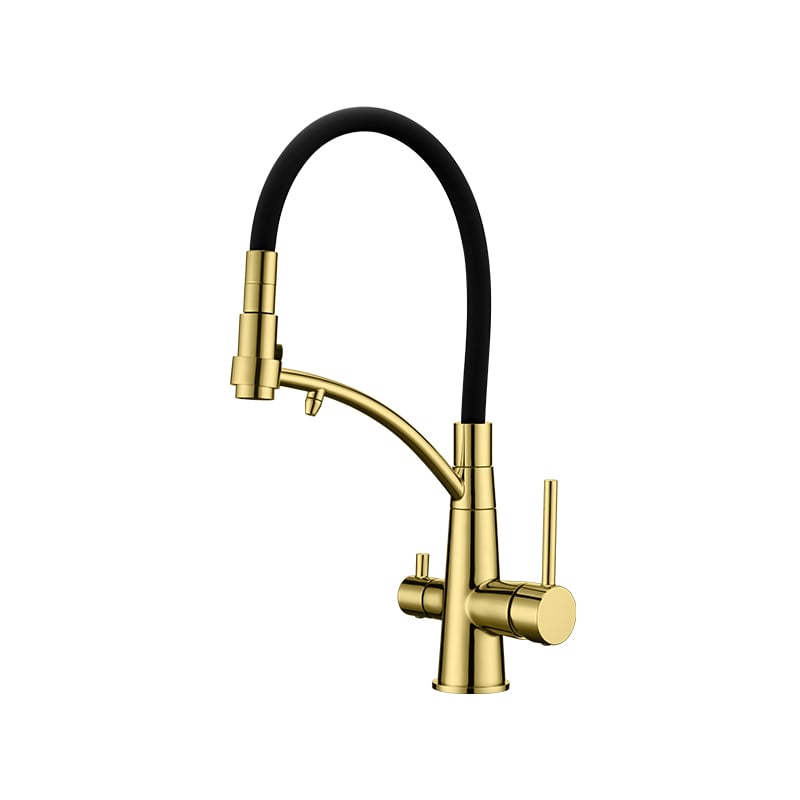
The wholesale faucet business really speeds things up for getting products out there because it piggybacks on existing distribution systems instead of starting from ground zero. When manufacturers team up with local distributors who work daily with plumbers, construction crews, and home renovation experts, they instantly connect with customers who are serious about buying. These kinds of partnerships create steady orders month after month, which means factories don't have to worry so much about sudden drops in demand or having too much stock sitting around. The distributors take care of all the gritty details too like shipping stuff the last few miles, setting up displays at local stores, and answering technical questions from customers. This lets manufacturers concentrate on coming up with better products and running their plants more efficiently. As these distributor networks grow across different regions, they tap into all sorts of places where faucets are needed but wouldn't make sense for a manufacturer to set up shop themselves.
The wholesale faucet market works on a profit model built around smart margin management. When buyers place bigger orders, they get better prices too. For instance, anyone spending over $25,000 gets discounts reaching as high as 35%. These bulk deals make shipping easier and let factories plan production runs more efficiently. The minimum order requirements aren't just arbitrary numbers either. They actually create better economies across manufacturing and logistics while weeding out casual buyers who aren't ready for real business partnerships. What most people don't realize is how much work goes behind the scenes. Distributors take on all sorts of expenses including running showrooms, paying sales teams, and providing technical specs for big commercial installations. Sure, manufacturers earn less per unit compared to selling directly to consumers, but there's a tradeoff here. Companies save boatloads on finding new customers, cut back on expensive marketing campaigns, and avoid building their own warehouses and distribution centers from scratch. Most distributors charge between 15% to 30% extra on top of what manufacturers charge them. But these fees cover actual services provided, not just padding profits. This markup system helps keep prices reasonable for end users because larger volumes mean better deals all around.
The shift toward direct-to-consumer sales is really taking off for high-end faucets that come with lots of customization options. Companies are moving away from traditional showrooms and focusing more on what people see online these days. With e-commerce platforms, manufacturers have much better control over how their brand is presented, what prices they set, and how customers interact with them, all without going through middlemen who might dilute the message. Online tools allow professionals like architects and interior designers, along with serious homeowners, to tweak everything from finish colors to spout height and water flow right there on screen. What makes this approach so powerful is that it removes location limitations while gathering valuable information about consumer tastes. We're seeing things like which metals people prefer stainless steel or unlacquered brass and how finish preferences change across different regions. The latest numbers from the 2025 Sales Channel Report show that home improvement companies adopting DTC strategies saw growth of around 39.2%, which tells us folks want those smooth digital experiences when specifying products.
Higher gross margins don't tell the whole story when it comes to DTC business models. The reality is that direct-to-consumer approaches bring along their own set of cost issues which ultimately cut into what ends up being pocketed as profit. Take customer acquisition for example. Premium faucet companies spend roughly 20 to 30 percent of their total revenue just on getting customers through channels like paid search ads, social media marketing, and SEO efforts. Then there's the logistics headache. Big commercial fixtures need special packaging materials, specific transport services, and often face extra charges based on size rather than actual weight. After sale support adds another layer of expense too. Companies dealing with installation questions see labor costs jump around 15 percent. Warranty issues related to faulty cartridges or finish problems eat up valuable technical staff time. And let's not forget those free returns for large items, which typically cost upwards of forty dollars each. A recent procurement report from 2025 actually shows how all these day to day operations can wipe out nearly a third of what should be the expected margin benefits compared to traditional wholesale distribution methods.
When deciding between selling faucets through wholesale or directly to consumers, businesses need to look at three main factors: how fast they can get products to market, what kind of profit margins they want, and who controls the day-to-day operations. Wholesale works best when companies need to scale quickly across different regions, particularly for standard commercial products made in quantities over around 8-10 thousand units each month. According to some industry reports from organizations like the National Kitchen & Bath Association, this approach typically cuts down on individual product costs by about 15 to maybe even 30 percent because multiple parties handle the logistics together. On the flip side, direct to consumer makes sense for higher end items that customers are willing to pay extra for, especially if those products offer customization options or unique designs. These kinds of products often come with a markup of 40% or more, and brands can learn a lot from their customers which helps them improve faster. But there's a catch - companies usually have to put back somewhere between 20 and 35% of their earnings into things like website development, getting new customers, and handling after sales service. What the product actually does matters too. Simple items tend to do well in wholesale settings while specialized features like smart technology integration or accessibility requirements work better when sold directly since manufacturers can talk directly with specifiers. Money matters count for a lot as well. Starting out with wholesale generally means spending less money upfront on marketing or tech compared to building out all the necessary systems for an online store before making any profit at all.
Manufacturers no longer face a binary choice between faucet wholesale and direct-to-consumer (DTC) channels. A blended approach leverages the strengths of both models, creating a more adaptable and profitable growth strategy—without channel conflict.
Smart companies are finding ways to send direct-to-consumer orders through their current wholesale logistics systems instead of building new ones from scratch. Warehouses, regional distribution centers, and sometimes even distributor fulfillment points can handle these orders. The B2B2C approach cuts down on big spending for separate DTC operations and reduces risks that come with setting up totally new fulfillment channels. Brands get quicker deliveries, cheaper shipping per item, better inventory tracking, all while keeping tight grip on how products are packaged, what messages go out, and follow-up communications with customers. Take one major faucet manufacturer for instance they cut their DTC fulfillment costs by about 22 cents per unit when they started routing online orders through their main distribution network according to last year's Plumbing Industry report on supply chains.
What really makes hybrid business models work is how they bring together different types of data. Looking at wholesale sell through numbers helps track things like how fast SKUs move in various regions, how often contractors buy, and what specifiers are adopting. This gives companies a big picture view of where demand is growing and what inventory problems might be coming up. Then there's all the customer behavior data from direct to consumer channels too. People leave trails everywhere online - what they browse, why they abandon carts, their reviews, even feedback after installations. These details show exactly what customers want and where they run into trouble. Put everything together in one analytics system and businesses can forecast better, develop products faster, and target marketing efforts right where needed. Take a major faucet company as an example. They noticed through customer reviews that matte black finishes were becoming popular. So instead of waiting for problems, they changed their wholesale restocking strategy ahead of time. The result? About 40% fewer stockouts and distributors sold out much quicker than usual within three months.
 EN
EN