
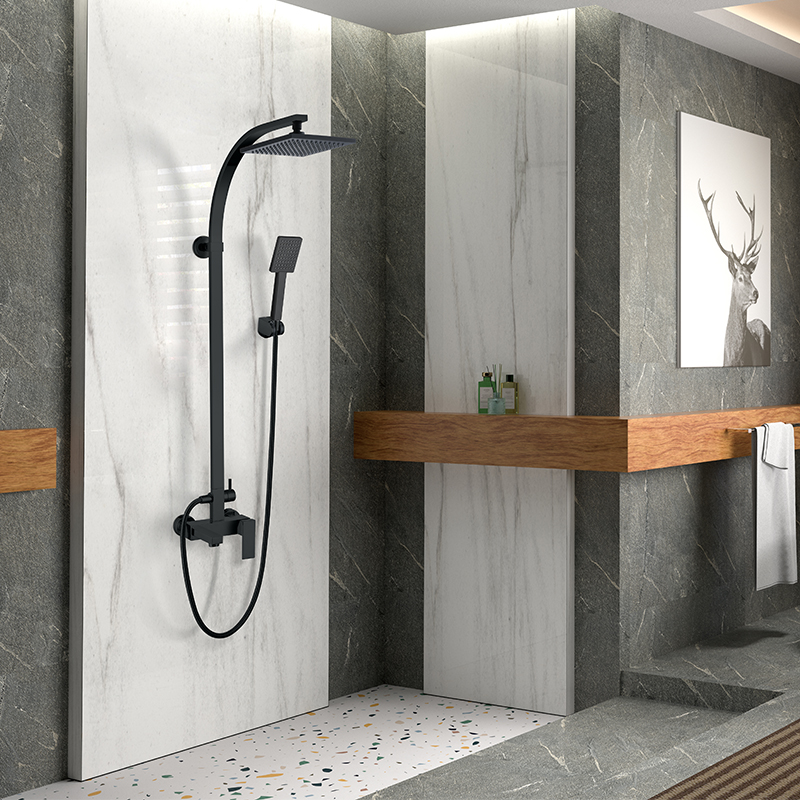
Pressure balancing valves work by keeping water at a steady temperature even when there are changes in pressure, like what happens when someone flushes a toilet or turns on another faucet nearby. This makes these valves really important for preventing burns in showers that only have one outlet. Most of these valves comply with both UPC and IPC plumbing standards and they represent good bang for buck in typical home setups. On the other hand, thermostatic valves take things a step further with their ability to control temperature within just one degree Fahrenheit thanks to those wax-based sensors inside. Homeowners can adjust both how much water flows and what temperature it comes out at separately, which works great for complex bathroom setups with multiple outlets such as spa jets or overhead rain showers. According to data from Safe Plumbing Institute released last year, pressure balancing valves cut down scald risks by around two thirds compared to old fashioned manual valves. But when it comes to situations where exact temperatures matter most and installation gets complicated, thermostatic options clearly win out in terms of safety and overall satisfaction.
Function-specific valves determine how water is routed and distributed across your shower system:
For installations with three or more outlets, thermostatic valves with integrated transfer capability are strongly recommended—they preserve temperature stability while managing concurrent flow paths. Always verify valve compatibility with existing rough-in dimensions and trim kits before purchasing or installing shower control valve hardware.
| Valve Type | Key Function | Ideal Use Case |
|---|---|---|
| Pressure-Balancing | Prevents temperature fluctuations | Single-outlet, budget-constrained |
| Thermostatic | Maintains exact temperature | Multi-outlet luxury configurations |
| Transfer | Manages concurrent flow paths | Body spray/rain shower combos |
Proper preparation prevents water damage, rework, and callbacks—especially critical given that mismatched components account for 31% of post-installation service calls (National Association of Home Builders 2023).
To start, turn off the main water valve by rotating it clockwise until no water flows anymore. Next, open the lowest faucet in the house to let out any remaining water and take some pressure off the pipes. When possible, install those isolation valves on specific fixtures around the home. They really come in handy when doing repairs because they let us fix problems without turning off water everywhere else. Once everything is drained, do a pressure check at around 80 psi for about 15 minutes with a good quality gauge. Look closely at all the connections and fittings during this time for any signs of leakage. The Plumbing Standards Council reported back in 2023 that poor pressure tests account for roughly 18% of plumbing issues, which means we just can't skip this part if we want things to work properly down the road.
When measuring the space between hot and cold water supply pipes, get those center-to-center distances right. Most standard rough-in setups need about 8 inches across and sit approximately 2 inches back from where the wall will finish. Getting this off by even three quarters of an inch can lead to seal problems, which happens in roughly 40% of cases according to field reports. Before proceeding, double check that the valve body actually works with the trim kit's cartridge design, makes sense with how the handles should face, and covers everything properly around the edges. Always do a dry run first with all parts assembled loosely so we can see how things look against the wall and make sure everything fits mechanically without gaps or binding. And remember to always compare real specs from manufacturers rather than relying solely on pictures in catalogs because differences often exist between what looks good on paper versus what actually fits together when installed.
First things first, shut off those water supply lines and drain them completely before getting started. Now clean out whatever junk is sitting in that wall space behind where the valve will go. Check if the cavity matches what's shown in the installation instructions regarding how deep it needs to be, how wide the opening should measure, and whether the wall studs line up correctly. When attaching the actual valve body to the backing studs, make sure to use those special brackets designed to resist rust and corrosion. Grab your torpedo level next and run it along both directions - left to right and top to bottom. Getting this right matters a lot since crooked valves lead to problems with handles sticking and trim pieces looking off. For sealing threads, reach for quality PTFE tape instead of cheaper alternatives. Wrap it around clockwise in three neat layers but stop short of wrapping too tight. Over tightening creates more issues than it solves down the road when trying to remove fittings later on.
Connect the hot water line (typically red) and cold water line (typically blue) to their matching ports on the valve body. Start by tightening them by hand as much as possible, then give them about a quarter extra turn using an adjustable wrench. Don't go overboard though, since too much force might actually crack the brass parts or mess up the seals. Once everything's connected, slowly bring back the water pressure and check all the joints carefully with some tissue paper or just a dry cloth to spot any leaks. Before finishing up, install a temporary handle so we can test how well it controls temperature and makes sure everything is calibrated properly. For final checks during installation, make sure there's enough space around where the trim will go later, and watch out for pipe movement when pressure builds up. The pipes shouldn't bend more than about 15 degrees when loaded, because excessive bending puts stress on those soldered connections and raises the chances of future problems down the road.
Testing thoroughly and keeping up with maintenance after installation really helps avoid expensive breakdowns down the road while making sure everything stays reliable for years. Do a complete pressure check when the system is running at full capacity for about 10 minutes minimum. This will help spot those sneaky leaks hiding in connection points or inside valves that might otherwise go unnoticed. Keep an eye on how consistent temperatures are throughout five to ten cycles of use. If there's wild fluctuations happening, chances are good there's either dirt stuck somewhere in the cartridge or something isn't calibrated right. Don't rush to seal off those walls just yet though. Leave them open with temporary access panels in place for at least three days first. According to the Plumbing Standards Institute from 2023, around 9 out of 10 water damage claims come from issues missed during this critical observation period after installation.
One big mistake people make is not checking if trim kits actually fit together properly. When stems are misaligned or handles don't have enough clearance, it leads to problems down the road. About one third of all operational issues come from these compatibility problems. Don't forget to flush out any debris either. Sediment left behind after cutting pipes or working with drywall will eventually clog up cartridges in just a few weeks. Thermal expansion is another important factor to consider. Homeowners need to know what temperature range works best for their system, usually around 105 to 110 degrees Fahrenheit. They should also understand how anti-scald devices work alongside their water heater settings. And while we're at it, always write down the model and serial number when installing valves. This basic information makes warranty claims much easier later on. According to Ponemon's 2023 report, companies save around seven hundred forty thousand dollars every year by avoiding repairs needed for units where documentation was missing or installations went wrong.
| Prevention Focus | Critical Check | Consequence of Neglect |
|---|---|---|
| Leak Management | Pressure tests 10 mins | Structural water damage |
| Mechanical Integrity | Cartridge seating & handle alignment | Stiff operation/breakage |
| Long-Term Performance | Quarterly seal inspections | Reduced valve lifespan |
Shower control valves are the backbone of safe, high-performance shower systems—no amount of design refinement can compensate for subpar valve quality or compatibility. For OEM partners targeting global markets, our valves combine industry-leading precision, compliance with UPC/IPC standards, and seamless integration with diverse trim kits and system configurations.
With decades of expertise in B2B shower valve manufacturing, we specialize in customizing solutions for OEM needs—from budget-friendly pressure-balancing valves to premium thermostatic models with transfer capabilities. Our production processes adhere to strict quality control protocols, ensuring consistent performance and reduced post-installation risks for your clients.
Partner with a trusted OEM supplier rooted in plumbing engineering excellence. Contact us today for a no-obligation consultation, technical specification sharing, or sample testing to align our valves with your product roadmap. Let's build reliable, market-competitive shower systems that drive your business growth.
 EN
EN