
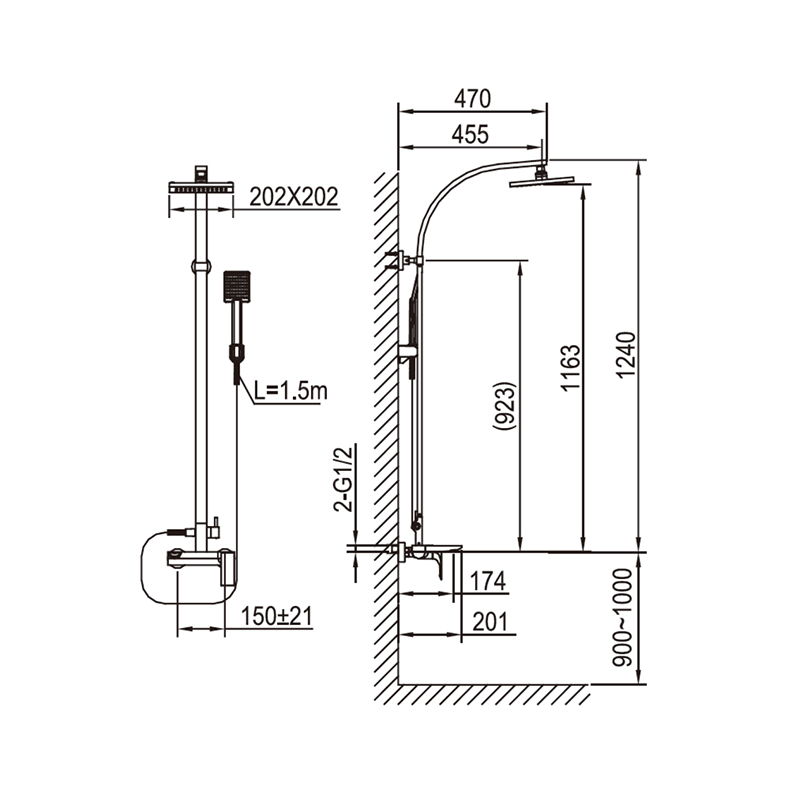
Top bathroom faucet makers typically turn to corrosion resistant materials like 304 grade stainless steel and lead free brass when they want taps that last through years of high water pressure but still look good with those fancy detailed designs. Bronze works really well for machining purposes too, which makes it possible to create those custom lever handles and beautifully shaped spouts. Studies show bronze parts crack about 40 percent less often than similar parts made from zinc according to Plumbing Standards Institute research from last year. Brass has just the right amount of heat transfer properties so hot water flows consistently when needed. And bronze develops this unique patina over time that actually becomes part of its charm without needing much maintenance at all. Before any product hits shelves, manufacturers test every essential component under pressures reaching as high as 1000 psi to make sure there won't be leaks no matter if installed in homes or big commercial buildings.
PVD coating technology creates super thin ceramic layers that really stand up to wear and tear, color fading, and rust problems. These coatings keep looking good for over a decade too which is about three times better than regular electroplating methods according to Surface Engineering Journal from last year. The nano textured surfaces we offer include popular options like matte black and brushed nickel that just don't show water spots as easily. Plus there are special hydrophobic treatments added that reduce mineral deposits on surfaces by around two thirds. Luxury brands love our bronze toned PVD finish because it gives that rich, aged metal look without all the maintenance headaches of real bronze. All products finished with PVD go through rigorous 500 hour salt spray tests and comply with those important NSF ANSI 61 requirements for safe contact with drinking water systems.
Touchless infrared tech gets rid of the need to touch surfaces at all, which cuts down on bacteria spreading by around 85% compared to when people operate things manually according to a study published in the Journal of Hospital Infection last year. The system comes with built-in LED lights that give instant color cues too. Blue means cold water is coming out, red signals hot water, making it safer for little kids who might not know what temperature feels like yet or seniors whose reflexes aren't quite as sharp anymore. The motion sensors work pretty intuitively so users can control how long water flows without any confusion. Plus there's an automatic shut off feature that kicks in after about fifteen seconds if nobody moves near the fixture, stopping potential flooding accidents before they happen. Since there are no moving parts wearing down over time like traditional faucets have, these systems tend to last much longer than conventional models do in most installations.
Water saving happens when we combine smart tech with good old fashioned engineering. Those fancy aerators on faucets actually shoot air into the stream so people still feel like they're getting enough pressure, even though they're using about 30% less water overall. Most modern fixtures have built in flow restrictors that keep things from going over 1.5 gallons per minute, which meets those EPA WaterSense standards for what counts as green enough. The really cool stuff comes from artificial intelligence systems that watch how people use water throughout different times of day and seasons, then tweak the flow rates accordingly. These smart systems can cut down wasted water by around 22% without anyone noticing anything different. And if there's ever a leak somewhere, special sensors kick in almost instantly closing valves within half a second once they spot something wrong. All together, these various technologies end up saving roughly 10 thousand gallons each year for most American homes according to recent EPA reports.
| Technology | Water Savings | Key Function |
|---|---|---|
| Aerators | 30% reduction | Air-water mixture for pressure |
| Flow Limiters | 1.5 GPM cap | Volume restriction |
| AI Dispensing | 22% reduction | Usage-pattern optimization |
Design that works for everyone has become essential in modern tap manufacturing these days rather than something tacked on at the end. The lever mechanism requires much less grip force, which makes all the difference for people suffering from arthritis or those who find it hard to get a good hold. Adjustable height options mean wheelchair users can reach comfortably, kids won't strain themselves, and adults of different heights don't have to bend awkwardly. Handles shaped to fit the hand properly cut down on tiredness during use and give better control over water flow. These practical improvements help older folks stay independent in their homes too. According to CDC data from last year, bathrooms equipped with such taps saw about 32 percent fewer falls reported. Other smart touches like slip-resistant surfaces and automatic temperature controls keep things safe for everyone involved. Looking at current trends, around two thirds of major manufacturers already incorporate universal design concepts into their newest products.
The latest smart taps are built with open standards that look ahead to future needs, particularly Matter and Thread protocols. These connections work smoothly across different smart home systems like Apple Home, Google Nest, and Amazon Alexa. Users can control water flow, set preferred temperatures, and even track how much water they're using through voice commands or mobile apps. What makes Thread special is its low power consumption and mesh network setup, which keeps things running without needing Wi-Fi. This matters a lot in areas where moisture might interfere with regular signals. According to the Smart Home Tech Report from 2024, nearly 6 out of 10 new smart tap installations focus on Matter compatibility these days. For homeowners and businesses alike, being able to work across different ecosystems has become really important when deciding what products to buy.
 EN
EN