
Starting to replace that old kitchen sink faucet? First things first, find those water supply valves under the sink and shut them off. Just turn the handles clockwise until they won't budge anymore. After that, give the faucet a quick turn on for a moment to let out any remaining pressure in the pipes. This little trick stops unwanted water spray later on when we need to take apart the connections. Safety glasses are definitely worth putting on at this point too. Even small bits of debris or unexpected water splashes can catch someone off guard while working down there.
First thing's first, figure out what kind of hole arrangement your sink has. Most sinks fall into one of three categories: single hole for compact setups, three holes spaced about 4 to 8 inches apart as standard, or widespread models where handles sit 8 to 16 inches apart. Grab a tape measure and check those center-to-center distances between each hole carefully. Getting these measurements right matters a lot since mismatched specs can lead to wobbly installation, crooked alignment, or worse yet, water leaks down the line. The good news is most major brands offer handy compatibility guides online that cover around 95% of common sink configurations, according to recent data from the Plumbing Standards Institute back in 2023.
Gather these items before starting:
Using PTFE tape on threaded connections reduces leak risk by 70% compared to bare fittings (Journal of Plumbing Engineering, 2022).
Once the water valves are turned off completely, go ahead and turn on the faucet so any leftover pressure can escape. Put a container underneath those supply line connections just in case there's some dripping water we don't want all over the floor. When disconnecting both hot and cold supply lines, grab an adjustable wrench but be sure to hold onto the pipes themselves as you loosen them. This helps keep from putting too much strain on the internal parts inside the wall. Let everything drain out for around two to three minutes or so, particularly if dealing with sinks that have longer pipes running through them. If connections feel stuck because they're frozen or rusty, don't try to force them apart. Instead, spray some penetrating oil onto the joints first, give it about ten minutes to work its magic, and then attempt again gently.
Find those mounting nuts that hold the faucet base in place first. When working in those cramped under-sink areas, grab a basin wrench and turn it counterclockwise. Don't forget to protect the sink with a soft cloth underneath. If the hardware really resists, try moving the wrench back and forth in small circles rather than forcing straight ahead - this helps prevent slips. After getting them loose enough, take off the nuts manually and gently pull the faucet straight up. Put some cardboard around the sink opening while removing everything else so no tool marks scratch the finish. Before putting anything new on there, clean off all those mineral buildup spots too. A good wipe down leaves behind nothing but a smooth, dry surface ready for proper sealing when installing the replacement part.
Run a steady, smooth line of pure silicone sealant under the bottom of the faucet. If the sink material calls for it, plumber's putty works too. Getting this right stops water from sneaking in where it shouldn't, which can rot wood cabinets or damage whatever supports the sink underneath. When dealing with granite, quartz, or those composite materials, stick with silicone most of the time. Putty tends to leave marks on these surfaces, especially if they're porous or already sealed. Make sure the seal covers every single hole where things mount, but don't go overboard squeezing out extra because nobody wants a mess to clean up later.
Start by threading those faucet tailpieces through the sink holes, making sure the spout and handles sit at right angles to the backsplash area. Get underneath now and give those mounting nuts a good hand tighten first. Don't rush this part though - many folks forget to do it properly. When ready, grab your basin wrench for the final securement. Important note here: apply pressure slowly and evenly across everything. We've all heard stories about ceramic or stone sinks cracking from someone who just couldn't resist giving things an extra twist. According to Home Improvement Council stats from 2023, roughly 15% of DIY plumbing jobs fail because of overtightening issues. Once everything feels snug, go ahead and test out those spouts and handles. They should move smoothly without any binding or wobbling. Check their alignment one last time before moving on to the next step in your installation process.
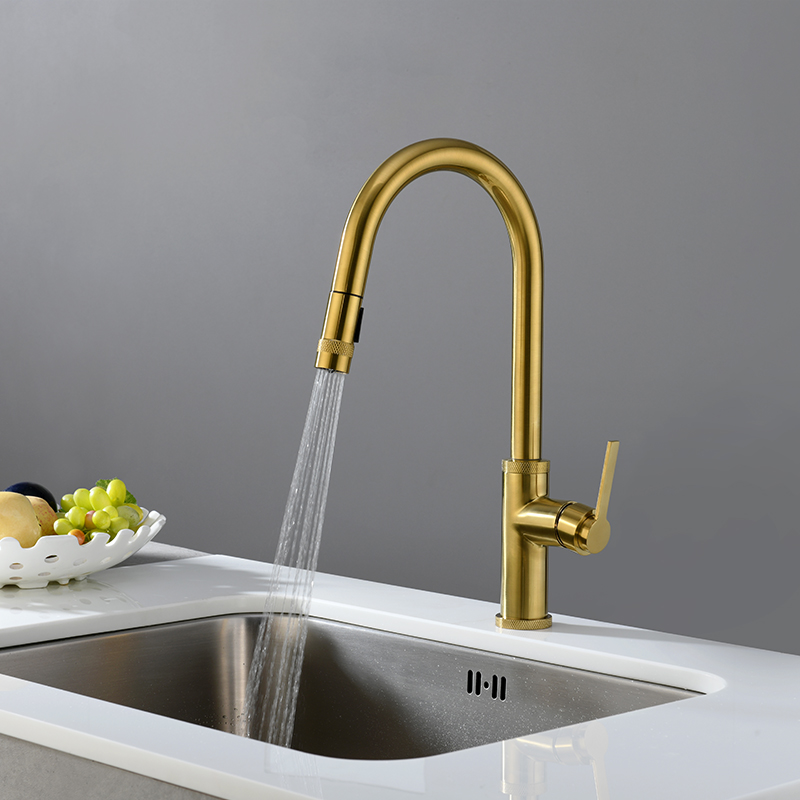
When installing widespread faucets, make sure the deck plate sits right over those sink holes before tightening those set screws down. For pull down or pull out models, give that sprayer hose a good stretch all the way out so we can check there's enough space and no annoying kinks getting in the way. High arc spouts need some solid downward pressure applied during installation. If they start to wiggle around at all, it's time to back off those mounting nuts a bit then tighten them again just right for proper support. Skipping this part often leads to problems later on, particularly in busy kitchen environments where these fixtures get constant use day after day.
When wrapping PTFE tape around those male threads on the faucet supply lines, go clockwise direction about three times around the connector. That usually gives good compression without going overboard. Start by tightening connections just by hand to keep from messing up the threads, then give them a final twist with an adjustable wrench, maybe a quarter turn should do it. The numbers back this up too. Industry folks have seen leak problems drop by roughly 72% when people actually use the tape properly instead of leaving threads exposed. And watch out if you tighten too much, because that tends to squish those rubber washers flat and they won't seal right anymore, leading to all sorts of headaches down the road.
Slowly reopen the shut-off valves while holding a bucket under connections to catch initial debris and sediment. Run both hot and cold water for two minutes to flush particulates from the lines before reinstalling the aerator or spray head. Conduct a phased, 15-minute leak test:
This methodical approach ensures reliable, leak-free operation from day one.
Even after careful installation, minor issues may arise. Addressing them promptly ensures your kitchen faucet replacement delivers lasting performance.
If problems persist after these checks, consult a licensed plumber. Per plumbing industry standards, unresolved leaks can waste up to 3,000 gallons of water annually-posing both functional and environmental concerns.
 EN
EN